The Last Shift
A night-market cook closes her stall for the last time, and remembers everyone she fed.
The Last Shift began with a real stall in Chinatown Complex that I had eaten at for years, and the quiet panic I felt the day a handwritten sign said it was closing. I wanted to make a film about the things we only notice once they are about to disappear — the rhythm of a wok, the regulars who never order, the long pull-down of a shutter.
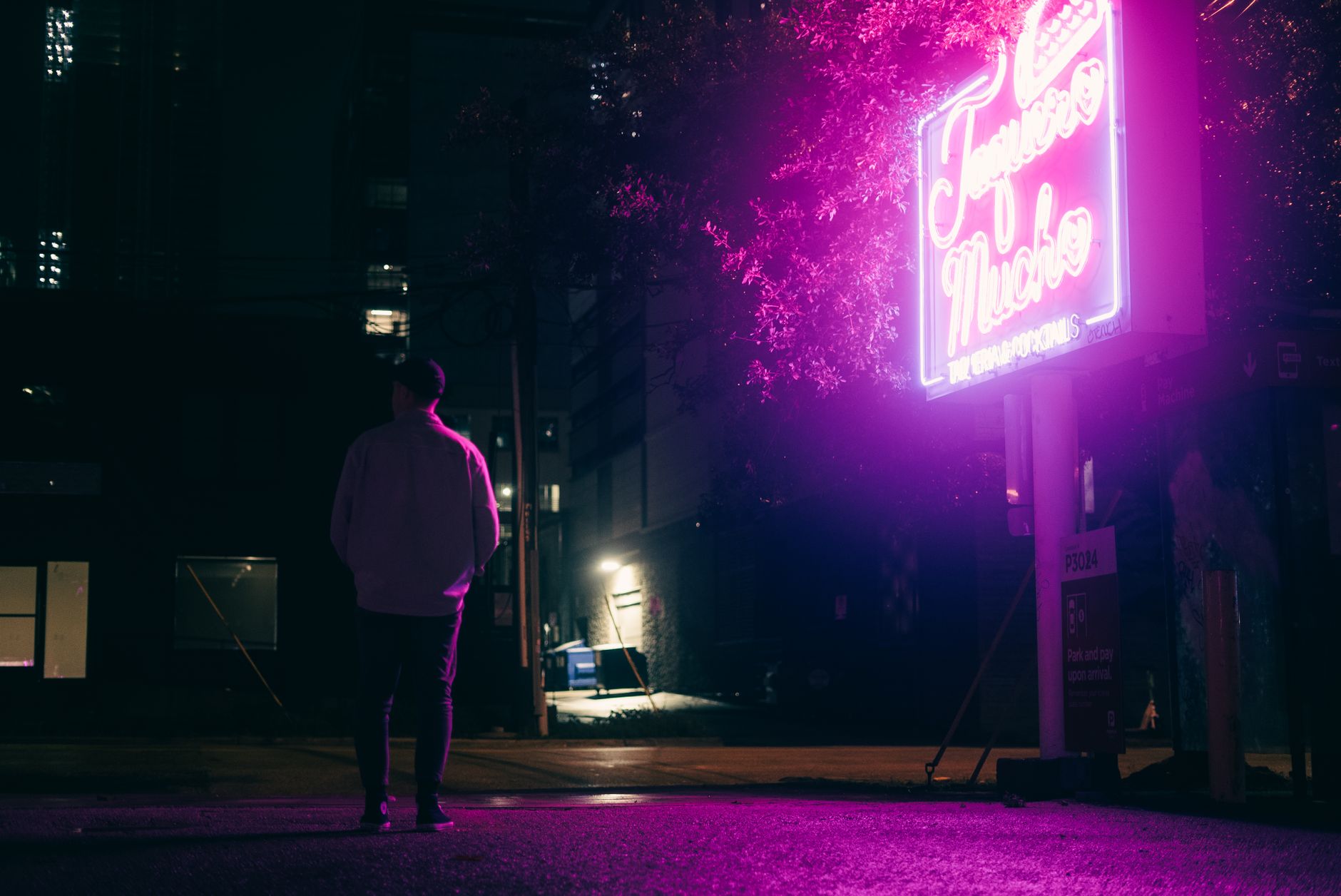
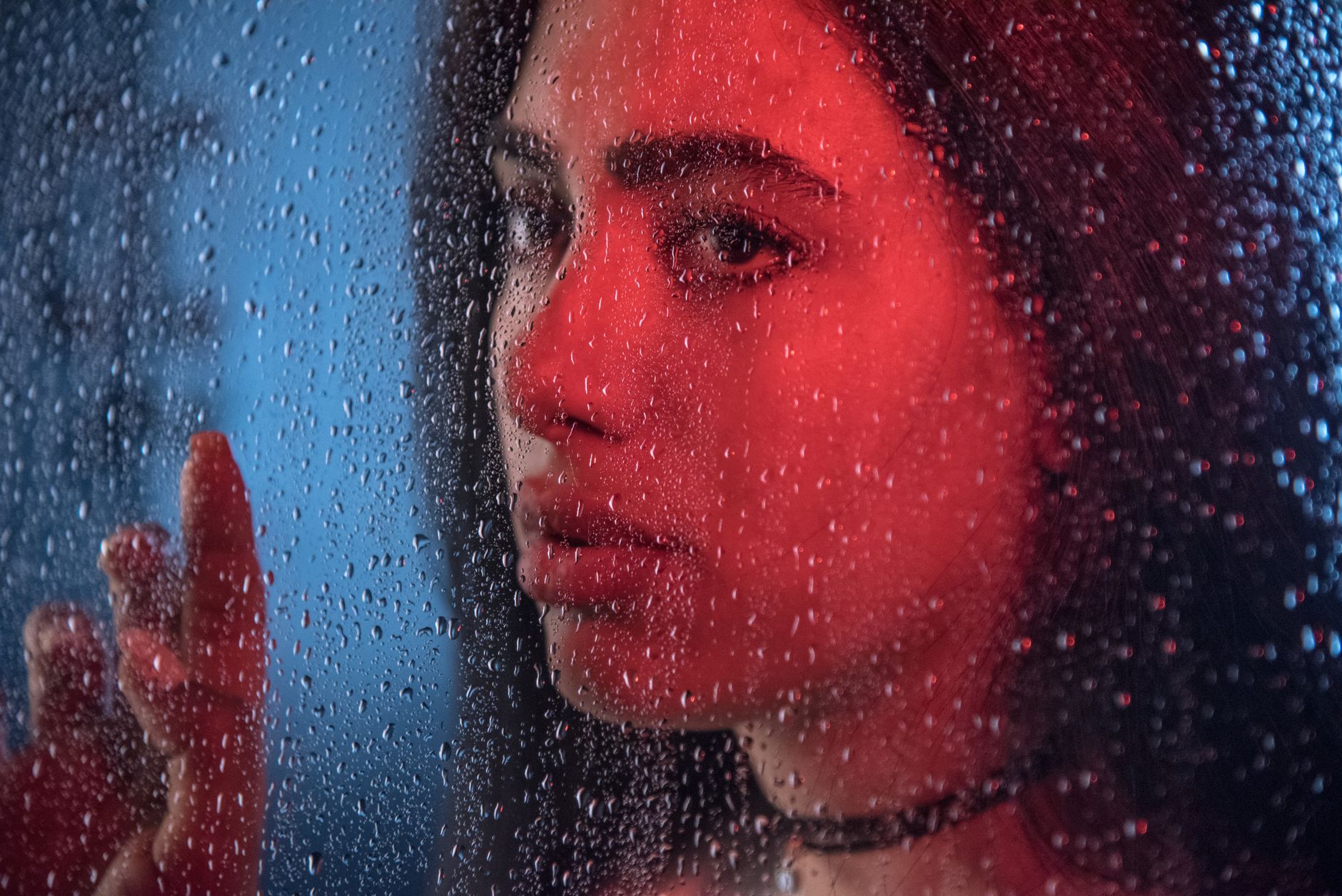
We shot it over four nights after the centre closed to the public, lighting almost entirely with the practicals that were already there. I wrote the lead for a stage actress I had admired for years, then cut most of her dialogue, because the strongest scenes were the ones where she simply worked and let the room speak. The hardest decision in the edit was to hold a single eighty-second take where nothing is said.
The film travels well because it is specific. Audiences who have never set foot in a Singapore hawker centre still recognise the feeling of an ending you cannot stop. That is the kind of story I want every narrative project to reach for — small in setting, large in what it asks of you.
What this engagement included
- Director-led concept and script development
- Casting and rehearsal of the lead performance
- Anamorphic photography with a lean night unit
- Sound design built around the room’s own ambience
- Festival deliverables and a captioned screening cut