What does the Singapore client experience actually look like?+
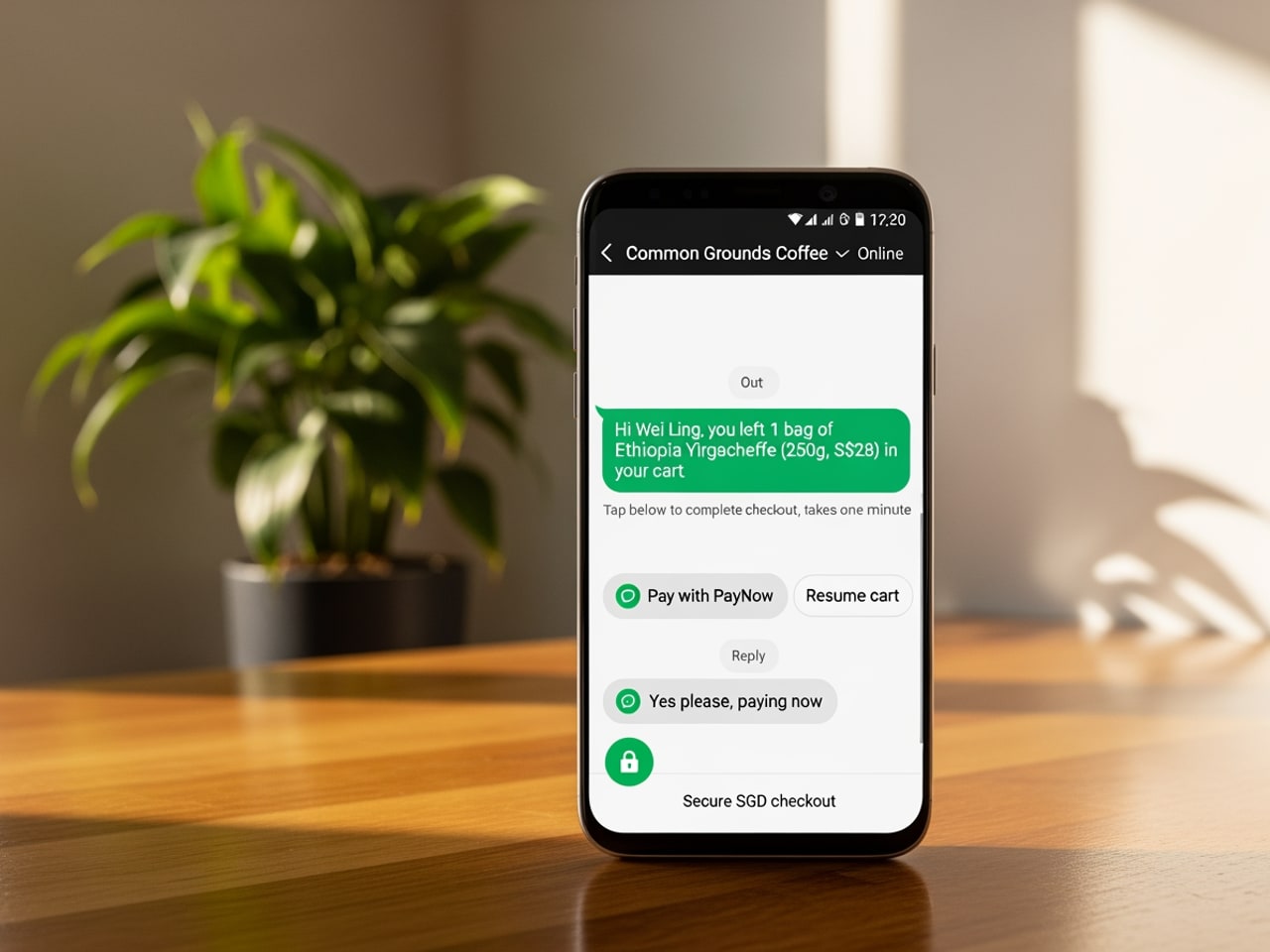
Daily stand-ups on WhatsApp or Slack in Singapore hours. Weekly review calls scheduled in SGT. SGD-denominated invoices. A named lead engineer assigned to your build for the entire project plus 90 days post-launch. Hosting on Cloudflare Singapore edge, customer data under Singapore PDPA + PDPC controls. You will not feel the geography in your inbox.
What do you optimise for, beyond "looking nice"?+
Conversion rate, search rankings, AI Overview citation, voice search readiness, and user engagement. Every build comes with GA4 ecommerce events, structured data, Speakable schema, an llms.txt file for AI engines, AI-Overview-ready content blocks, Core Web Vitals tuned to under 2.5s LCP, and a Lighthouse mobile score of 95+ on launch day.
What does dedicated tech support mean in practice?+
A named lead engineer is assigned to your build at kick-off and stays with you on a shared WhatsApp or Slack channel for the entire project plus 90 days after launch. Replies inside business hours, usually within the hour. Any production-blocking issue gets fixed inside 24 hours at no cost during the first 30 days post-launch.
How do you handle Singapore PDPA compliance?+
Every build includes a cookie consent banner aligned with the PDPC 2026 guidance, a Consent Mode v2 setup, a PDPA-ready privacy policy template you can edit, a data flow diagram showing which third parties touch customer data, and a data retention setting on GA4. We are not lawyers and we cannot draft your formal PDPA notification, but we hand your lawyer a clean diagram instead of a black box.
What does security hardening include?+
OWASP Top 10 review on every build, security headers (CSP, HSTS, X-Frame-Options, Referrer-Policy), Cloudflare WAF rules, dependency scanning for known CVEs, secrets rotation, brute-force rate limits on admin endpoints, and a full backup-plus-restore drill before we go live. Custom Scope projects can add a deeper security sprint or SOC 2 readiness review.
How do PayNow and HitPay work in the checkout?+
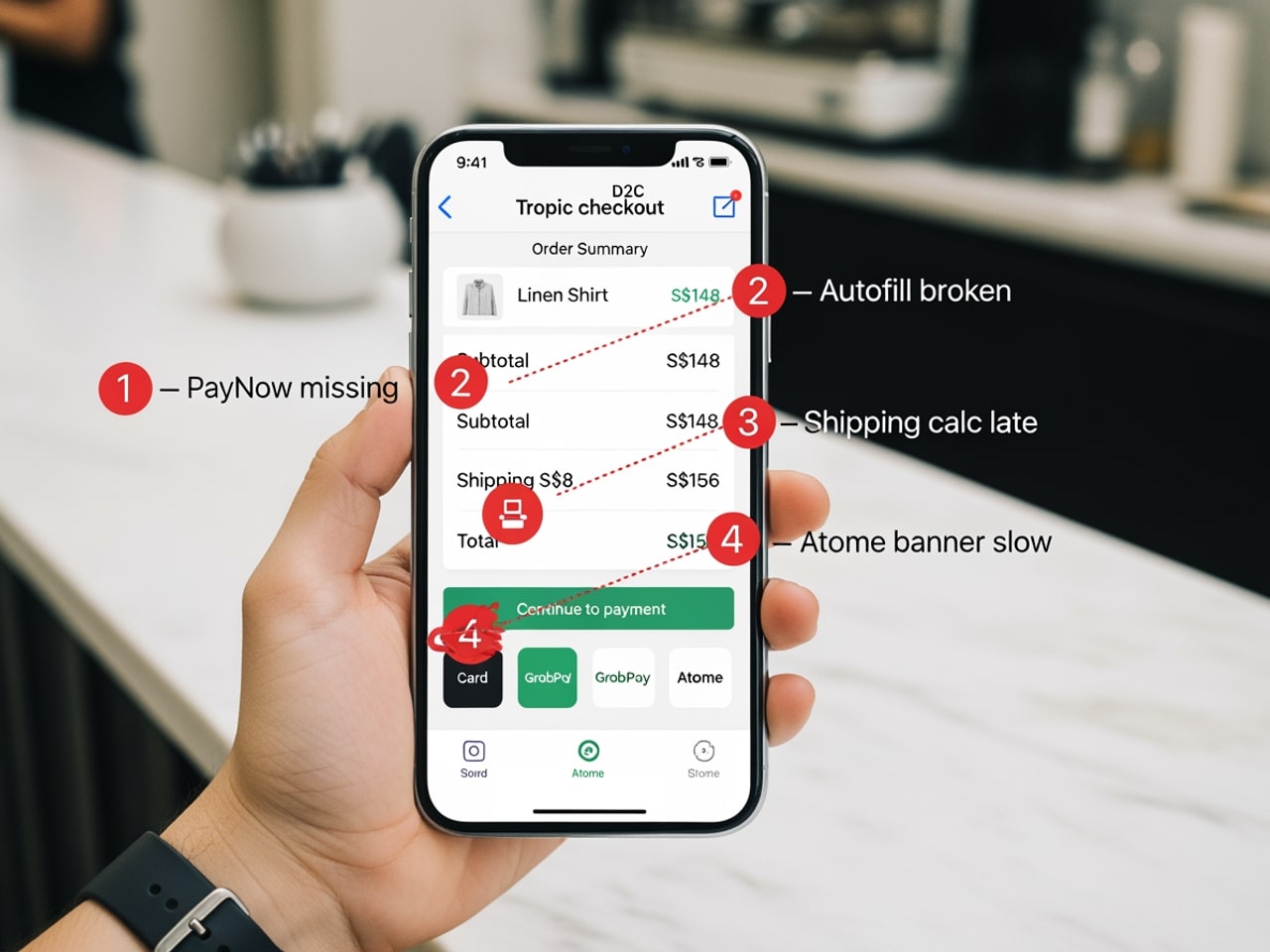
PayNow is the cheapest checkout rail in Singapore: 0.4% in person, 0.9% online for transactions under S$100, and 0.65% plus S$0.30 above. HitPay is the gateway that wraps PayNow alongside cards, GrabPay, Atome, ShopeePay, and a dozen other Singapore methods. We wire HitPay into your Shopify or Woo checkout so the buyer sees a clean Singapore-native payment screen.
What happens to my SEO rankings during migration?+
Every migration includes a 301 redirect map from every old URL to its new equivalent, an XML sitemap submitted to Google Search Console on launch day, and a 14-day post-migration rank monitoring window. We have migrated stores with thousands of indexed pages and zero ranking loss after the dust settled.
What if my scope changes halfway through?+
Up to three change requests are included free during the build. After three, we stop, agree on a small fixed-price add-on if it is meaningful, or capture it as a phase-two note for after launch. We do not have an hourly meter that runs while you think out loud.
Who owns the code, accounts, and data after launch?+
You do, on day one. GitHub repo, Shopify store, GA4 property, Meta Pixel, HitPay account, domain registrar. Every account is in your name, billed to your card, and transferred on launch day. No vendor lock-in.