A heavy, frightening shed a few months after childbirth, illness or stress is common — and usually temporary.
A sudden, alarming increase in shedding — handfuls in the shower, hair all over the pillow — that starts two to four months after childbirth, a major illness, surgery, severe stress or crash dieting is usually telogen effluvium. A large number of follicles are pushed into the resting and shedding phase at once, so the shed is dramatic, but it is the hair letting go on a delay rather than the follicles being damaged.
The reassuring truth is that this type of shedding is most often temporary: once the trigger has passed, the follicles cycle back into growth and the density usually recovers over the following months. Knowing that is half the battle, because the fear of "going bald" tends to be far worse than what actually happens.
That said, we never simply assume. We confirm it really is telogen effluvium rather than something that needs treatment, check for contributing factors like low iron after pregnancy, support recovery where we can, and keep an eye on it — escalating only if the shedding does not settle as expected. Most people simply need reassurance, a check, and a little patience.
Signs to look for
- A heavy shed 2–4 months after a trigger
- Hair coming out in handfuls, then easing
- Overall thinning rather than bald patches
- Following childbirth, illness or major stress
Common causes
- Childbirth and post-partum change
- Illness, surgery or high stress
- Nutritional factors like low iron
Treatments we use for this
The right combination depends on your scan and your goals — these are the options that most often feature in a plan for this pattern.
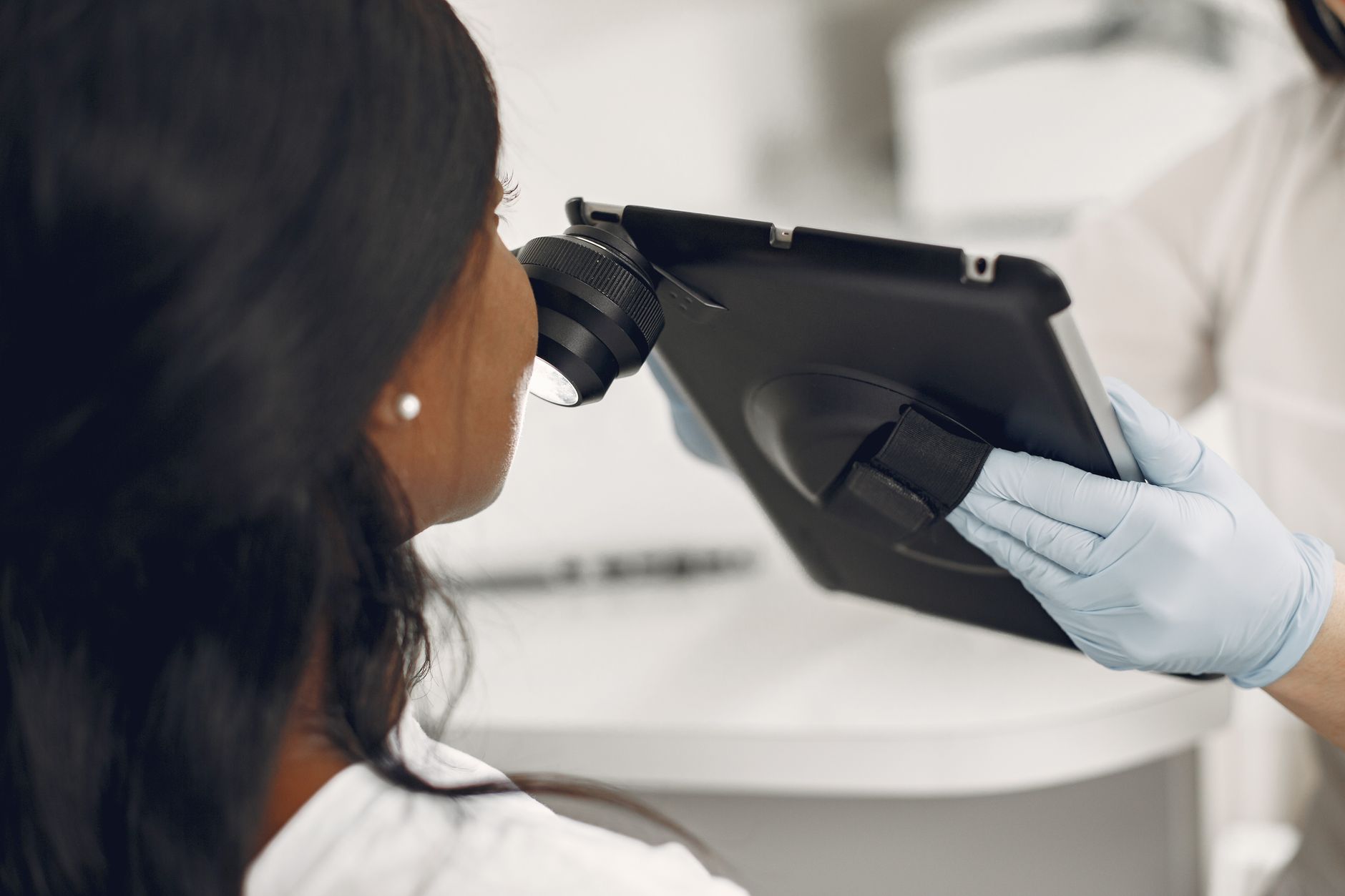
Hair-Loss Consultation & Trichoscopy
A doctor-led assessment with a microscope scalp scan — the starting point for every treatment plan.
Learn more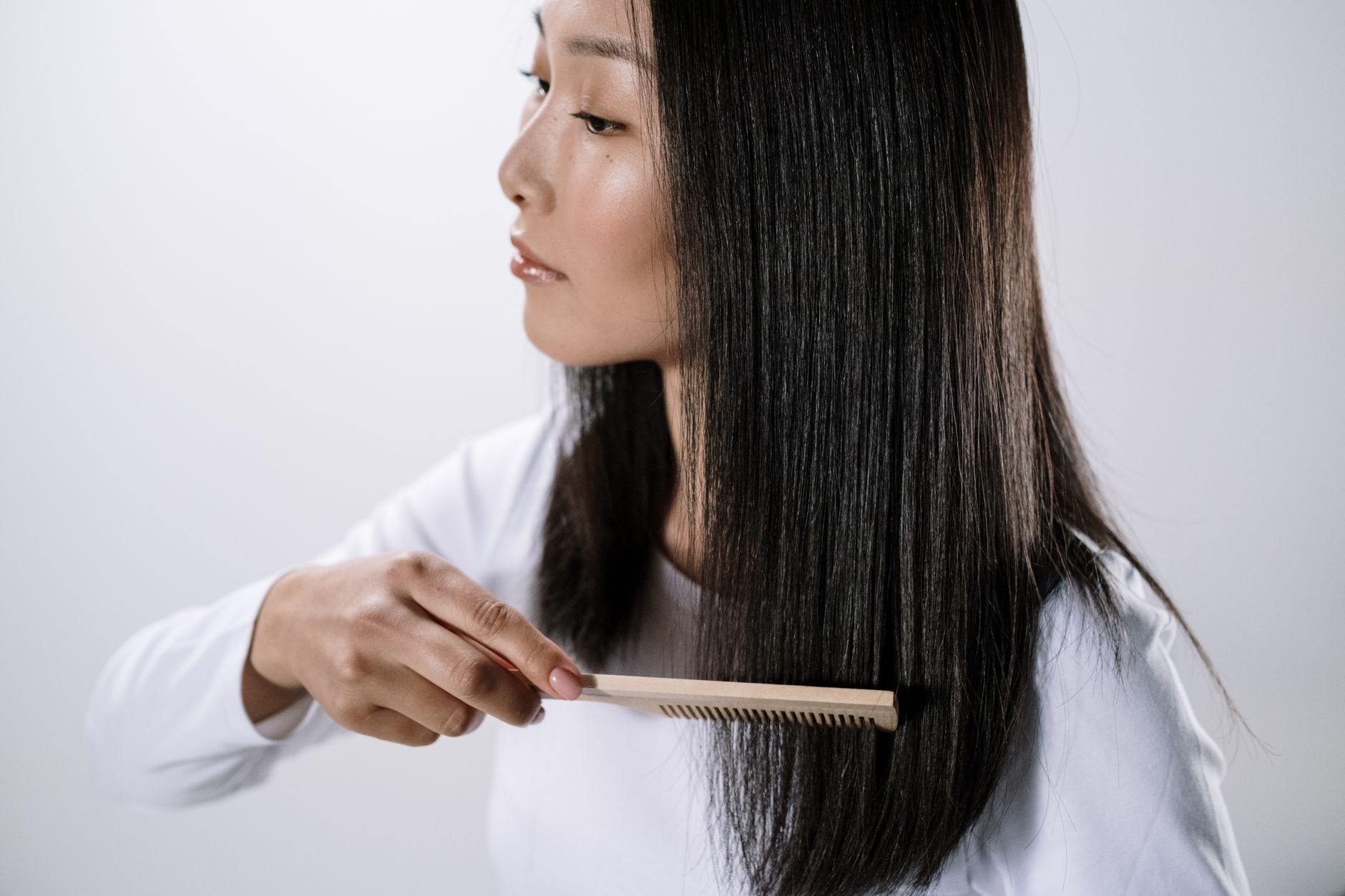
Female Hair-Loss Programme
A combined, hormone-aware plan built for the diffuse thinning women experience differently to men.
Learn more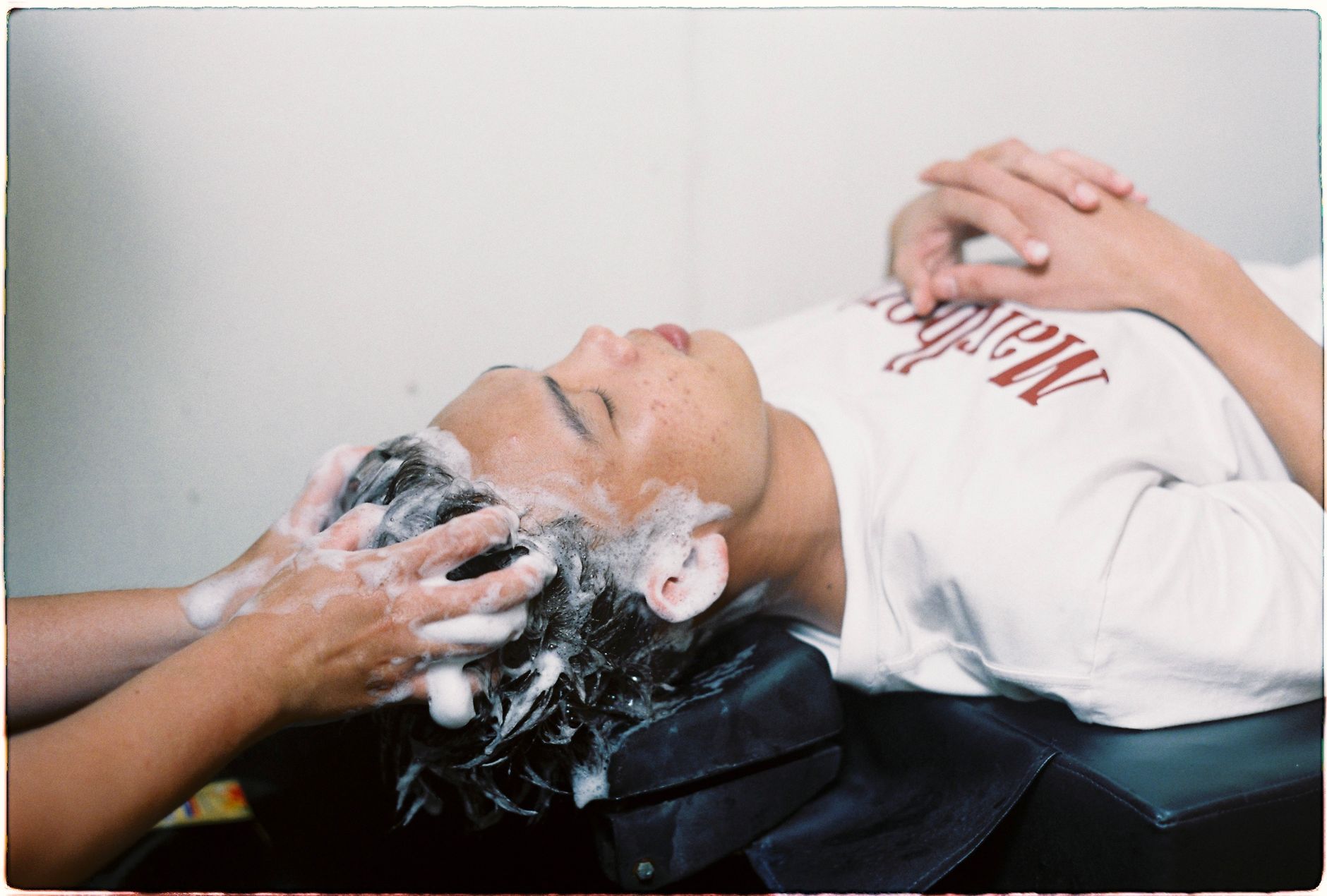
Medical Scalp-Revitalising Treatment
A deep cleanse and nutrient infusion for a congested, irritated or oily scalp that hair struggles in.
Learn more