Hair-Loss Consultation & Trichoscopy
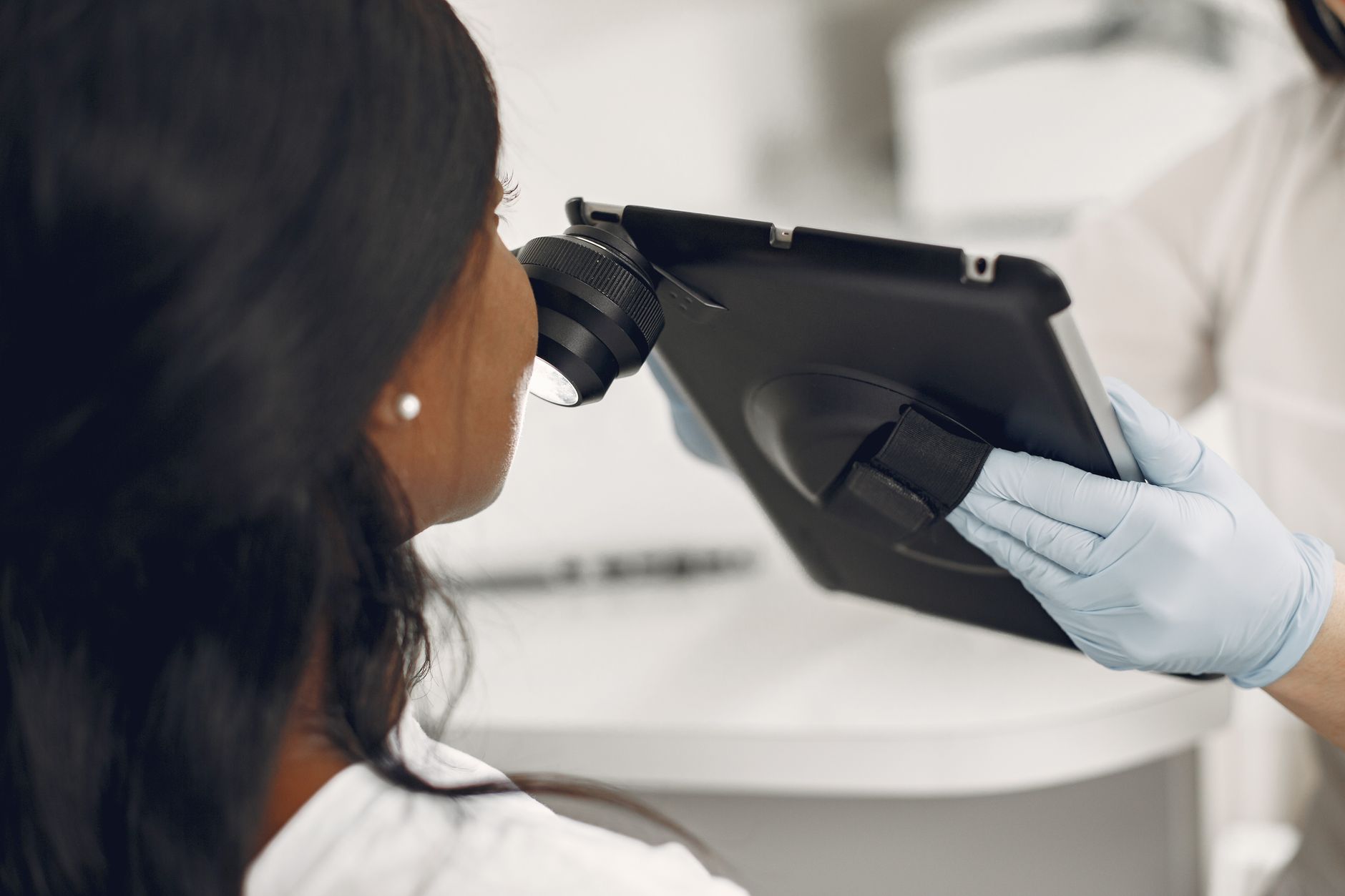
Every plan at Rootwell starts here, because hair loss has many causes and the right treatment depends entirely on which one you have. Our doctor takes a proper history, looks at the pattern of loss, and scans your scalp under a video microscope (trichoscopy) to measure follicle density, the ratio of fine to healthy hairs, and the health of the scalp itself.
That scan turns a worry into a number. We can see whether follicles are miniaturising, whether the loss is genetic, hormonal, stress-related or medical, and how much working hair you still have to build on. You leave understanding exactly what is happening on your own head — not a guess.
- Doctor history & scalp examination
- Video trichoscopy density scan
- Diagnosis of your loss type
- A written, costed treatment pathway
PRP Hair-Growth Treatment
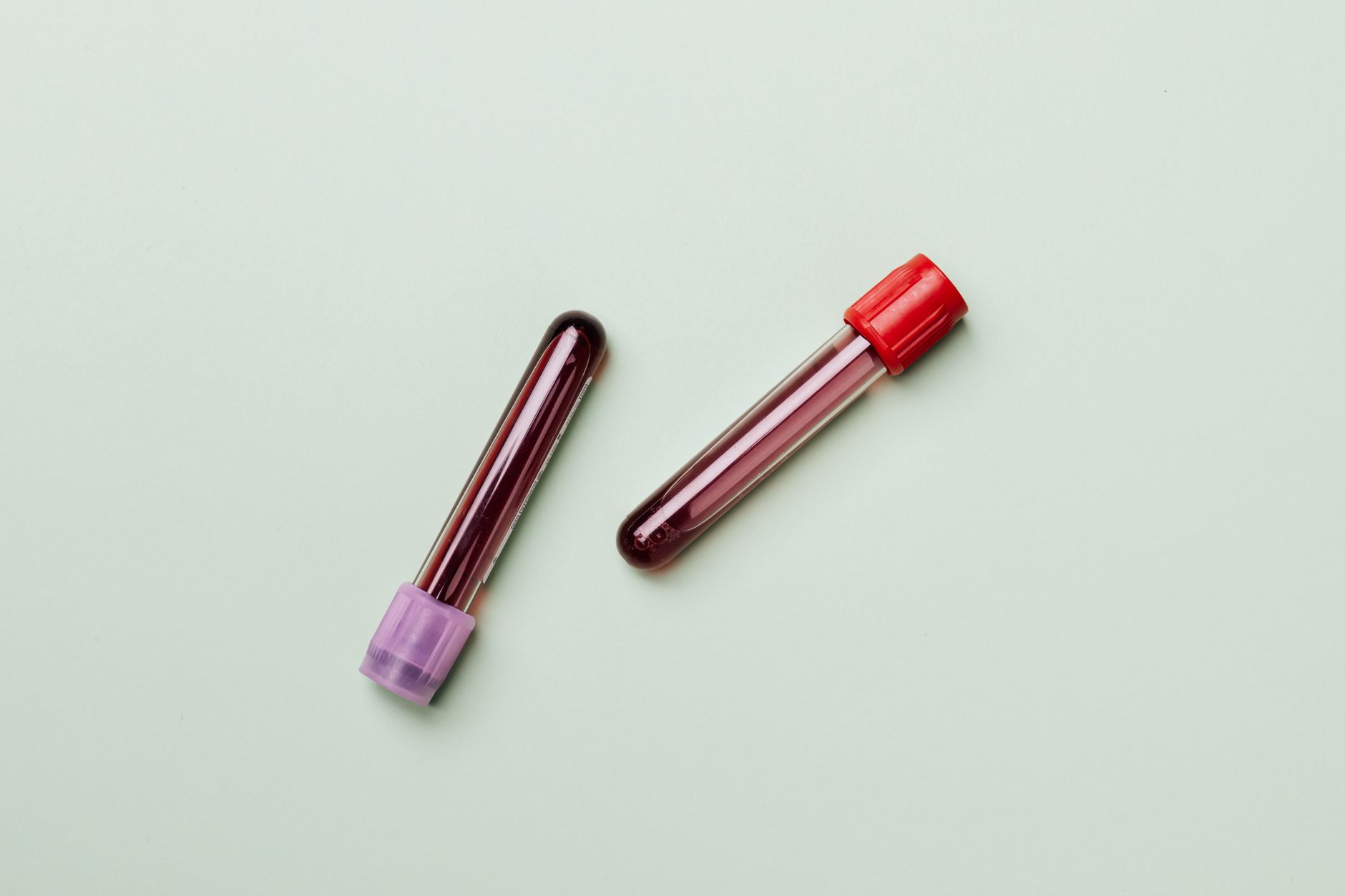
PRP uses your own blood. We take a small draw, spin it to concentrate the platelets and growth factors, and then return that plasma into the thinning areas of the scalp with very fine injections. Those growth factors are what encourage tired, miniaturising follicles to hold on and thicken up again.
It suits early-to-moderate thinning best — where the follicles are weakening rather than long gone — and it works well alongside medication, doing the local lifting while the medication addresses the underlying cause. Because the plasma is your own, there is no foreign substance involved.
- Blood draw & plasma preparation
- Targeted scalp injections
- Numbing for comfort
- Progress reviewed against your scan
Prescription Hair-Loss Medication
For genetic hair loss, the most evidence-backed step is the right medication — and because these are prescription treatments, they only follow a proper doctor assessment, never a same-day counter sale. Depending on what we find, that may be an oral medication, a topical applied to the scalp, or a combination, each chosen for your pattern and your tolerance.
Medication works on the underlying process: it slows the hormone-driven miniaturisation that thins genetic hair, which protects the follicles you still have and, over months, often allows some thickening. It is the foundation most pathways are built on, with treatments like PRP and laser layered on top.
- Doctor assessment before prescribing
- Oral and/or topical options explained
- A regimen matched to your pattern
- Scheduled progress reviews

Low-Level Laser Therapy (LLLT)
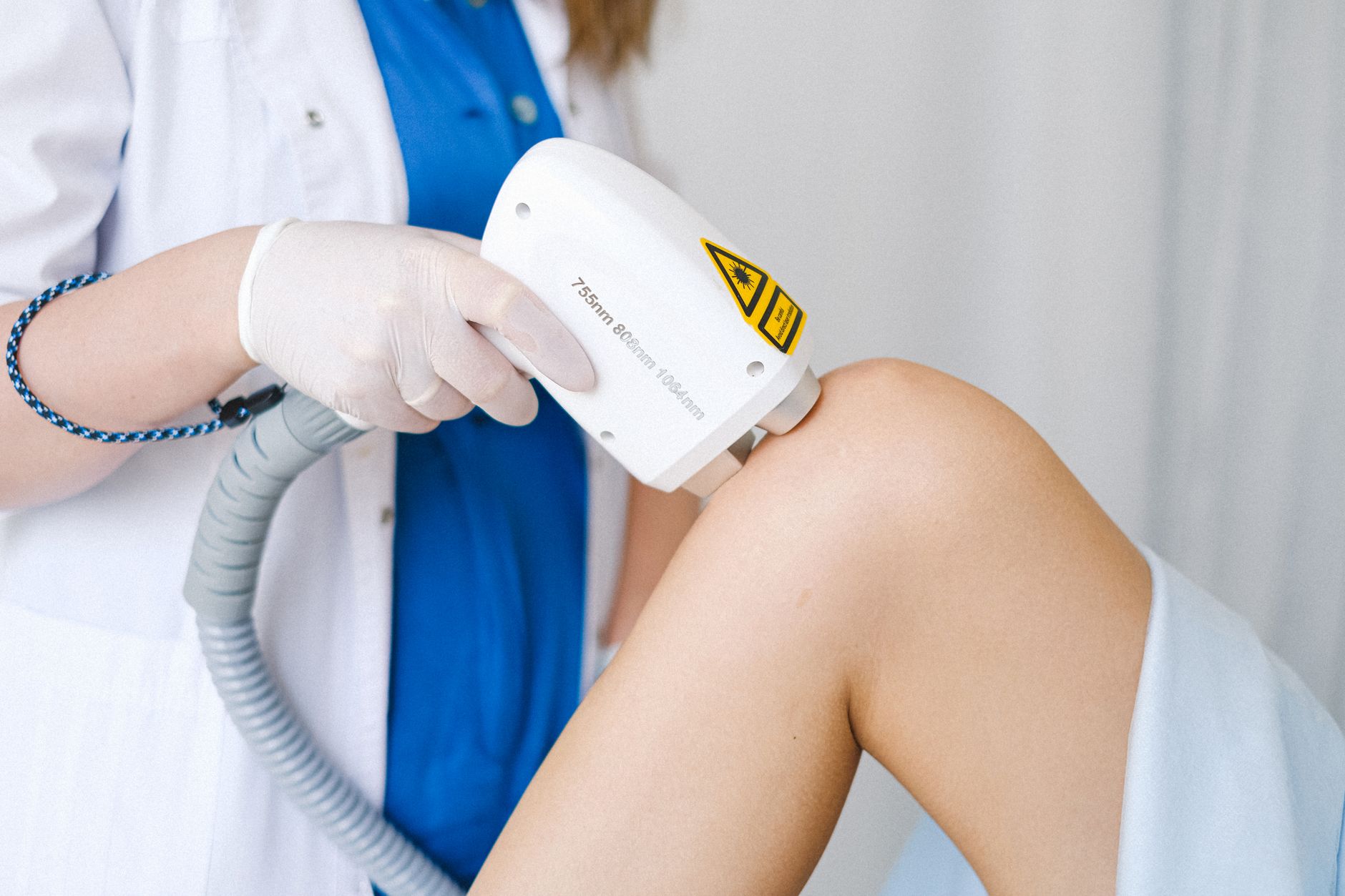
Low-level laser therapy uses gentle red light at specific wavelengths to stimulate activity in the hair follicles and the scalp around them. It is sometimes called photobiomodulation: the light energy is thought to support the follicle’s own growth cycle, encouraging finer, weaker hairs to grow back thicker over time.
It is painless and has no downtime — you simply sit under the device — which makes it an easy add-on rather than a standalone cure. We most often use it to support a PRP course or medication, giving the follicles regular gentle stimulation between the heavier-lifting treatments.
- In-clinic red-light sessions
- A schedule planned around your course
- Optional home-device guidance
- No downtime or discomfort
Medical Scalp-Revitalising Treatment
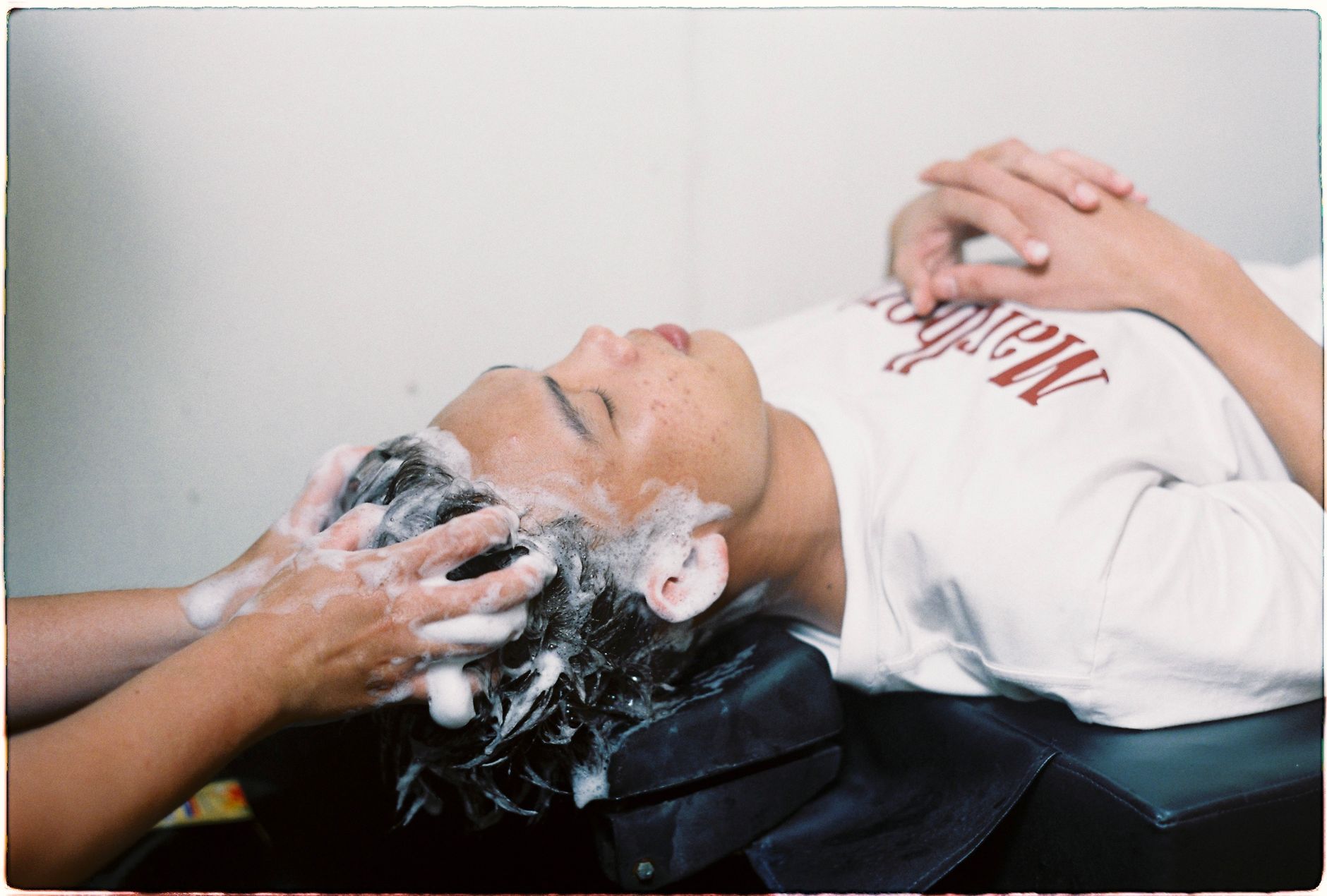
Hair grows out of skin, and a congested, inflamed or oily scalp makes a poor bed for it. This treatment is a deep, medical-grade scalp cleanse: we clear product build-up and excess oil from around the follicles, calm irritation, and infuse the scalp with nutrients that support a healthier growth environment.
It is not a regrowth treatment on its own, but a healthy scalp is the foundation everything else works on — PRP, laser and medication all do better on a clean, calm scalp than a congested one. For people whose main complaint is itch, flaking or greasiness, it often brings welcome relief too.
- Deep medical scalp cleanse
- Build-up & excess-oil clearance
- Soothing of irritation & flaking
- Nutrient infusion for the scalp
FUE Hair Transplant
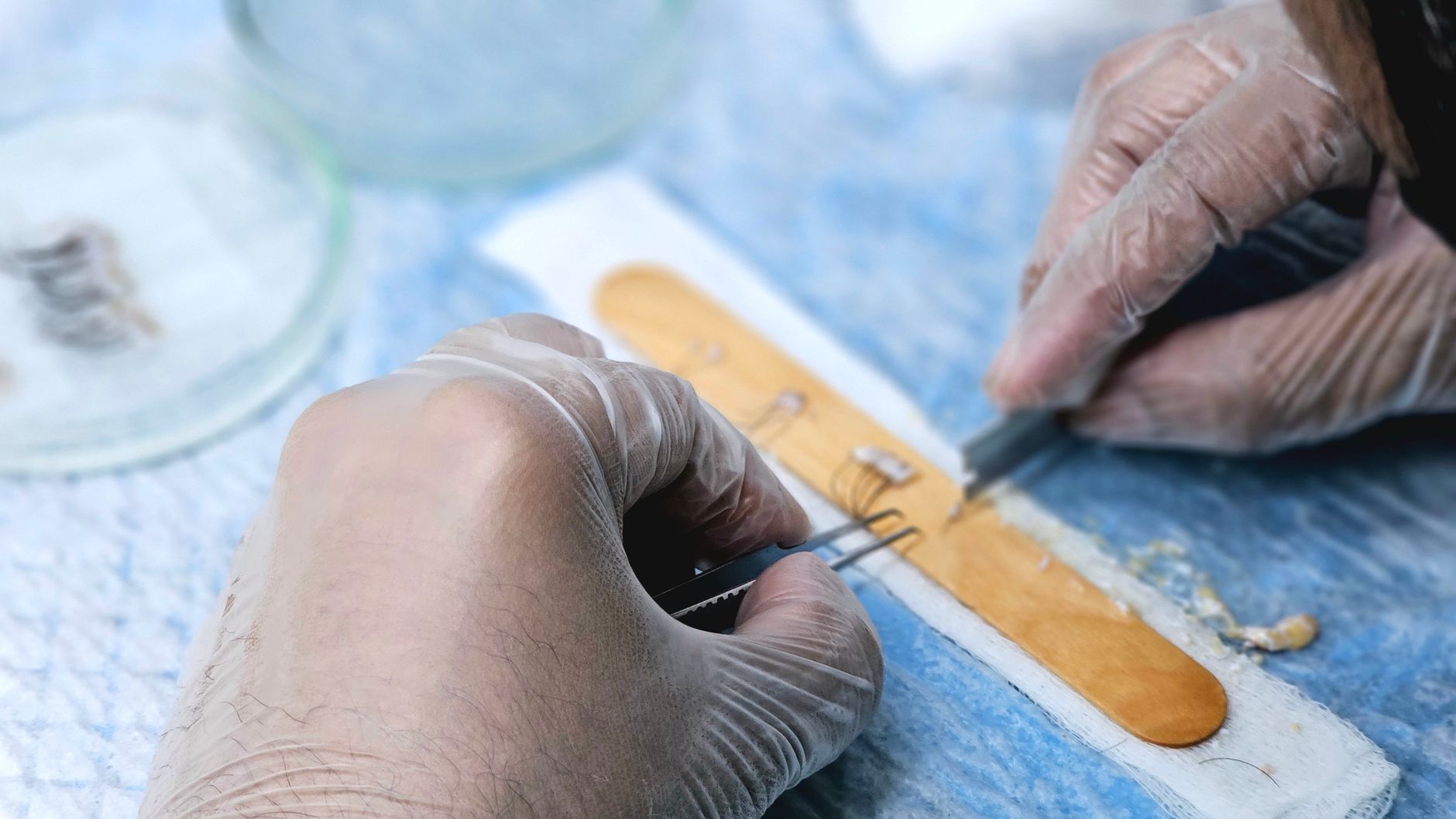
A hair transplant is for loss that medication and PRP cannot bring back: bare areas where the original follicles are long gone. Using the FUE technique, we harvest individual follicular units from the permanent zone at the back and sides of your scalp — hair that is genetically resistant to thinning — and place them, one graft at a time, into the thinning hairline or crown.
Because the transplanted follicles keep their resistance to balding, the restored hair behaves like the hair it came from. The art is in the planning: a natural hairline design, the right density, and an honest view of how much donor hair you have to work with — which is exactly what the assessment and scan establish first.
- Hairline & density planning
- FUE graft harvest from the donor zone
- One-by-one graft placement
- Local anaesthetic & aftercare
Female Hair-Loss Programme
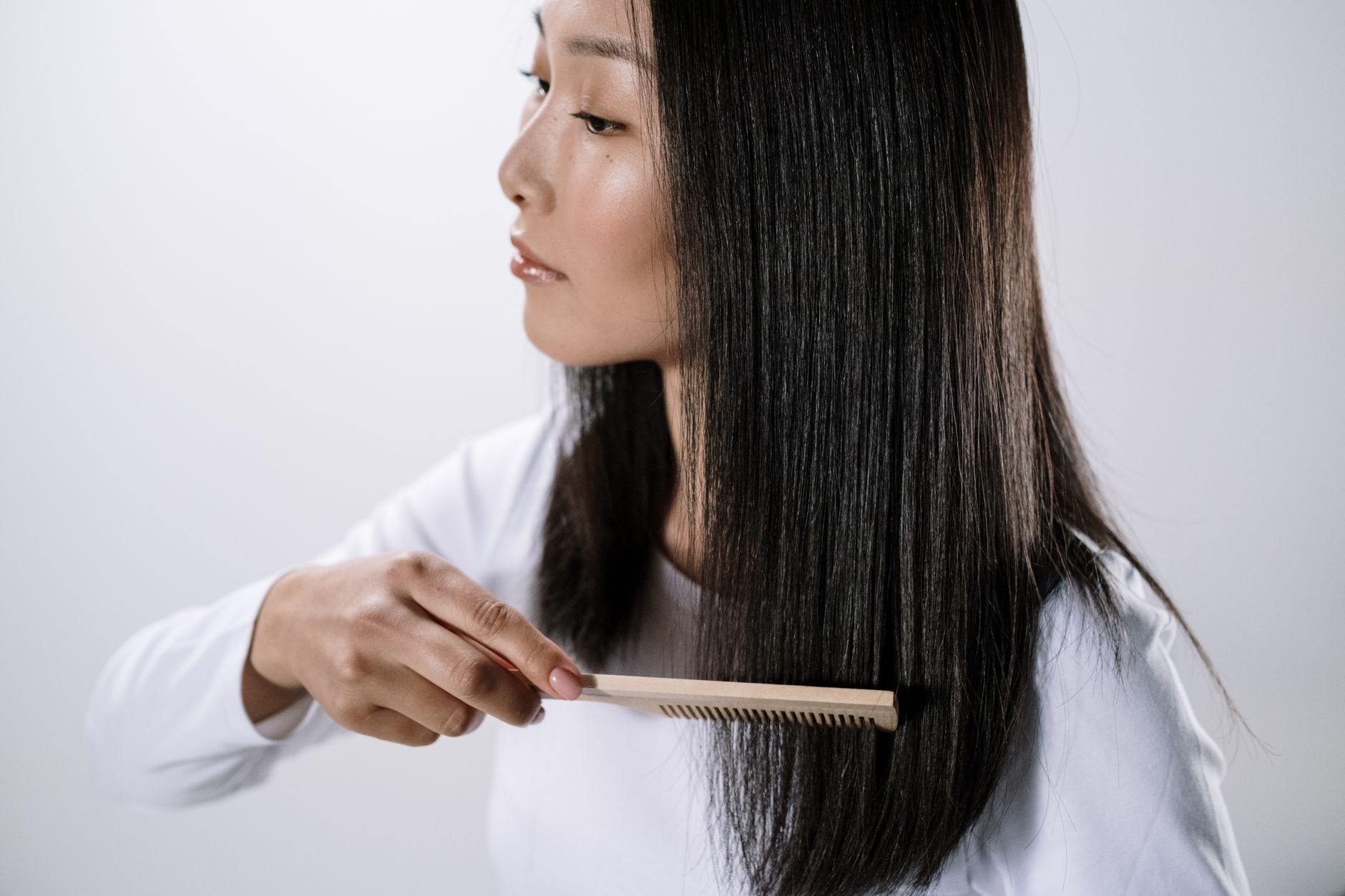
Women lose hair differently from men — usually a diffuse thinning across the top and a widening part rather than a receding line — and the causes more often involve hormones, iron, thyroid, stress or the post-partum and menopausal transitions. So the plan has to be different too, and it starts by ruling those causes in or out with the right tests.
From there we build a combined programme around what we find: where appropriate, prescription treatment suited to women, PRP to lift thinning areas, scalp treatment to improve the growing environment, and lifestyle and nutritional guidance where a deficiency is part of the picture. The mix is tailored, not one-size-fits-all.
- Tests to find the real cause
- A combined, tailored regimen
- PRP & scalp support where suited
- Nutritional & lifestyle guidance
A few honest pointers on choosing treatment
No single treatment suits everyone — the right one depends entirely on your diagnosis, which is why we scan first.
Most pathways layer two or three of these together; they are designed to support each other, not compete.
Be wary of any clinic that recommends an expensive treatment before they have looked at your scalp.
Begin with an assessment
Every treatment here works best once we have scanned your scalp and named the cause. The consultation is where your real plan is built.
Book a consultation